


February
Written by Charles Dowding
Welcome to the second instalment of our 2026 Alitex Grow Guides. This month’s February guide is written by Charles Dowding, pioneering gardener, educator and leading voice of the No Dig movement. Drawing on decades of practical experience, Charles shares clear seasonal advice to help gardeners prepare the soil, plan early sowings and grow healthy crops using simple, sustainable methods, laying the foundations for a productive year ahead even in the quiet weeks of late winter.

We recently had the pleasure of visiting Charles at his No Dig garden to catch up and speak with him on camera about what to expect from the February Grow Guide, as well as to share his expert tips for the weeks ahead.

Where to find out more
Instagram: @charles_dowding
Website: www.charlesdowding.co.uk
In February, the garden begins to quietly prepare for the season ahead. Charles Dowding shares how to set strong foundations using his pioneering No Dig approach, from caring for soil and planning early sowings to understanding the warmth and light young plants need to thrive. With practical, sustainable advice throughout, Charles guides growers through the tasks that will shape a healthy and productive year in the garden.
FAQs: A No-Dig Start to 2026
February gives you a valuable head start while the garden is still relatively undisturbed from winter. At this point, soil structure is intact, weed growth is minimal, and moisture levels are naturally balanced.
Starting now allows compost to settle and begin feeding the soil before planting ramps up. By the time temperatures rise in spring, your beds are already biologically active and ready to support strong, early growth. Waiting until later often means playing catch-up, especially with soil preparation.
It can feel counterintuitive not to mix compost in, but soil naturally integrates organic matter through biological activity. Worms, fungi, and microbes gradually pull nutrients down into the soil profile.
By leaving the soil undisturbed:
- You preserve natural soil layers
- Maintain existing root channels for airflow and drainage
- Support microbial networks that break down organic matter
Over time, this creates a deeper, more fertile growing environment than digging, which can disrupt these systems.
The quality of compost is critical in a no dig system because it becomes your primary source of nutrients. Well-rotted, balanced compost with a mix of organic materials is ideal.
In February, a layer of around 5–7cm is typically enough to:
- Feed the soil ahead of the growing season
- Suppress early weed growth
- Improve moisture retention as conditions begin to warm
Using poor-quality or immature compost can slow plant development, so it’s worth prioritising consistency over quantity.
February sowing works best when you focus on crops that tolerate cooler conditions and can benefit from early establishment.
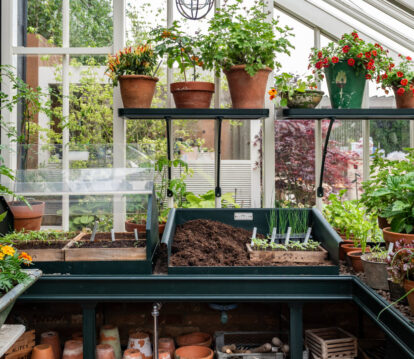
In a greenhouse or protected environment, reliable options include:
- Broad beans and peas
- Spinach and hardy salad leaves
- Early carrots and radishes (under cover)
The key is not to overextend too early. Growth is still limited by light levels, so choosing crops suited to slower early development leads to stronger plants later on.
Even in a greenhouse, February conditions can fluctuate significantly between day and night. Managing this balance is often more important than the sowing itself.
Practical steps include:
- Positioning seedlings where they receive maximum daylight
- Ventilating on milder days to prevent overheating
- Protecting young plants from overnight temperature drops
Rather than forcing rapid growth, the goal is steady, controlled development that builds resilience in young plants.
Weed seeds are often buried within the soil and brought to the surface through digging. By avoiding this disturbance, you significantly reduce the number of seeds that are exposed to light and able to germinate.
In addition, the compost layer acts as a natural barrier, limiting weed emergence. Over time, as fewer weeds are introduced and existing seeds are suppressed, the overall weed pressure decreases, making beds easier to manage season after season.
Soil improvement becomes noticeable through both appearance and performance. You’ll typically see darker, more crumbly soil with better structure and fewer signs of compaction.
More importantly, plant performance reflects this change:
- Stronger root systems
- More consistent growth
- Improved yields with less intervention
These are signs that the soil ecosystem is functioning effectively, rather than relying on short-term inputs.
It’s both, but the sustainability comes from how it works with natural systems rather than replacing them. By reducing soil disturbance, you lower carbon loss, protect biodiversity within the soil, and reduce the need for synthetic inputs.
At the same time, it simplifies the growing process:
- Less physical labour
- Fewer inputs over time
- More consistent results
This combination is what makes it a long-term approach rather than just a convenient shortcut.