


July
Written by Camellia Taylor
July Greenhouse Growing Guide – Camellia Taylor
July in the greenhouse and garden is a time of quiet abundance, and this July Growing Guide shares what to focus on to keep plants thriving.
The rush of spring sowing has passed and now it’s about nurturing what’s already growing. I water deeply, feed regularly and enjoy the slow swell of ripening fruit, especially the tomatoes and cucumbers.
The tomatoes form a backdrop to the greenhouse, hanging heavy on the vine, while cucumbers twist and climb through the space and pots. The warm air is filled with the scent of herbs and I find myself pausing to notice everything, both inside the greenhouse and just beyond it. The seeds that once felt so tiny and started out in the greenhouse are now producing food: fruits and vegetables slowly maturing in the garden.
With everything growing fast, the focus now is on tending: tying in stems, pinching out the side shoots and keeping on top of watering. In this July Growing Guide, we’ll cover greenhouse care, garden jobs and seasonal planting.
Greenhouse Tasks for July
Tomatoes, cucumbers and peppers
To support strong fruiting, feed your tomatoes, cucumbers & peppers weekly throughout the season. Avoid split fruit by maintaining consistent soil moisture — greenhouse watering systems such as a rainwater diverter are ideal for steady, even hydration. Finally, ensure good ventilation on hot days to prevent overheating.
Aubergines and chillies
Pinch out the growing tips once plants reach 30–40cm to encourage bushier growth with more branches, which means more flowers and a heavier crop later in summer. In a still greenhouse, natural pollinators may not always get inside, so hand-pollinate by tapping flowers or using a cotton bud to transfer pollen.
Herbs
Harvest herbs regularly to trigger fresh growth, basil, parsley and coriander respond especially well to frequent picking in July’s long days. Always water at the base in the morning; damp leaves left overnight create the perfect conditions for mildew in warm, humid greenhouses.

Salad leaves
Sow quick crops like rocket, mizuna and mustard now for harvests in just a few weeks. Warm July conditions speed germination, but leaves turn bitter if stressed by drought, so regular watering is essential. Shallow trays or pots work well for quick cut-and-come-again pickings.
Biennials and hardy annuals
Sow foxgloves, wallflowers and honesty now for strong plants that will establish foliage this year and flower the following spring. Thin out seedlings as they grow and plant them out in autumn to overwinter in the ground.
Softwood cuttings
Take softwood or semi-ripe cuttings from pelargoniums, salvias or scented-leaved herbs. In July’s warm, bright conditions, cuttings root quickly without extra heat. Starting now means you’ll have strong young plants ready to overwinter and fill gaps next spring.
Seed saving
Let a few annuals or herbs like basil, coriander or nigella go to seed. Save them for next year, or let them self-sow if you have the space.
Pests and disease
Keep an eye out for common greenhouse pets in july, like, red spider mites and aphids, which thrive in dry, warm conditions. Ventilate daily, damp down greenhouse floors, and remove yellowing leaves to improve airflow. Watch for signs of tomato or potato blight outdoors, especially after humid weather.
General care
Damp down the floor on hot days to raise humidity and cool the air. Tie in and support climbing crops and try to use shad to prevent scorching. Clear fallen leaves or overripe fruit to avoid attracting pests.
Time to move them on
By July, seedlings sown in early summer may be starting to outgrow their trays or modules. Once you see those first true leaves, it’s a sign they’re ready for more space.
Ease them out carefully, I always hold them by a leaf rather than the stem and pot them into a 9cm pot with fresh compost. This gives them the best chance to establish strong roots. Keep them shaded for a day or two after transplanting and water well.

In the Garden
By July, the garden feels full, a tapestry of plants that, only a few months ago, were seeds in trays in the greenhouse.
The tomatoes and cucumbers that were moved outside (I grow both inside and out) are now climbing in their outdoor spots, with fruit beginning to swell. Courgettes are in full swing, throwing out flowers and young fruit almost daily. Beans stretch up their frames, twisting and flowering as they go.
In the borders, cosmos, scabious and ammi are flowering. Their stems are just long enough for picking and the more you cut, the more they give. I love being able to bring a few bunches indoors to enjoy.
Soft fruits like raspberries are at their peak too and perfect for grabbing as you pass. Keep harvesting regularly to encourage more and water deeply in dry spells to stop everything rushing to seed.
This is the moment when the garden starts to offer back everything you’ve given it and it’s pure joy.
Thinking About Water
After weeks of heat, water becomes something you notice more how quickly it disappears, and how essential it is to keep things growing.
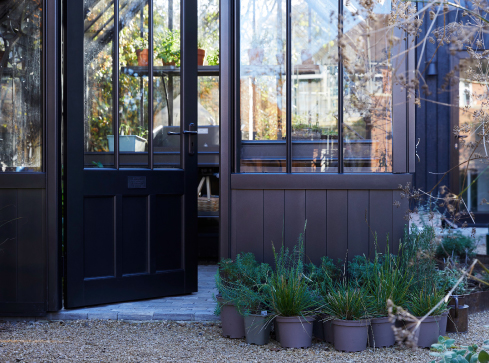
My greenhouse has a small water reservoir that collects rainwater from the roof and I find it so important to use what’s been gathered. It’s a good reminder that even small systems can make a difference, especially in dry spells.
July is a great time to think ahead: could you install a water butt, add a gutter to your greenhouse or shed, or redirect runoff.
Mulching beds, watering in the early morning or evening and prioritising crops like courgettes, tomatoes and beans are small shifts that help make the most of what you’ve got and help the garden take care of itself, even in the heat.

Composting and soil care
As early crops are cleared, it’s a good time to refresh pots and greenhouse beds with well-rotted compost. Mulch around thirsty outdoor crops to retain moisture and suppress weeds, especially helpful during heatwaves.
Looking ahead
Now’s a good time to start thinking about late-summer sowing and autumn planting. Consider ordering spring-flowering bulbs and make a note of where you might want colour or structure next year. You can also prepare to sow spinach, kale and chard in early August for autumn harvests.
Jobs at a Glance
– Feed fruiting crops weekly
– Water deeply and ventilate greenhouses
– Sow quick-growing salads and biennials
– Pot on seedlings and thin out crowded trays
– Harvest fruit, flowers and herbs regularly
– Take softwood cuttings
– Save seed from herbs and self-sowers
– Watch for blight, aphids and red spider mite
– Mulch and compost as you clear spent crops
– Start planning for autumn and spring
About the author
Camellia Taylor is a garden designer, soon-to-be landscape architect and founder of The Garden Taylor, a studio rooted in thoughtful, people-focused design.
With a background in psychology, Camellia brings a unique perspective to her work, creating gardens and landscapes that are not only beautiful but emotionally restorative. Her practice spans private gardens, community spaces and therapeutic landscapes, with a focus on connecting people to nature in meaningful ways.
Her design ethos is rooted in empathy and seasonality, with a belief that gardens can offer beauty, purpose and a deeper connection to the natural world.
Where to find out more
thegardentaylor.com
Instagram: @thegardentaylor
As summer reaches its height, July is a month of quiet reward. The rush of spring has eased, and now it’s all about tending, nurturing and enjoying what’s in full growth. Tomatoes ripen on the vine, courgettes and beans stretch daily, and borders brim with colour. It’s a time to water deeply, harvest generously, and begin looking ahead to what comes next. A little care now keeps the momentum going and ensures the garden stays productive and beautiful through high summer and beyond.
FAQs: July Growing Guide
By July, most of the early sowing and planting has already been done, so the focus naturally moves towards supporting what’s in place. Plants are growing quickly, setting fruit, and putting energy into production rather than establishment.
At this stage, your role changes from starting crops to managing them. Small, consistent actions like watering properly, feeding, and tying in growth have a direct impact on how well plants perform through the rest of summer. It’s less about doing more, and more about doing the right things at the right time.
In July, watering becomes one of the most important jobs, but it’s not just about frequency. Shallow, frequent watering can lead to weak root systems, whereas deeper watering encourages roots to grow down and become more resilient.
It’s better to water thoroughly and less often, allowing moisture to reach deeper into the soil. Early morning or evening watering also reduces evaporation and ensures plants actually benefit from what you give them.
Inconsistent watering is one of the main causes of problems in summer crops. Tomatoes, in particular, respond poorly to irregular moisture, which can lead to issues like split fruit or uneven ripening.
Keeping moisture levels steady allows plants to develop properly without stress. It also helps regulate nutrient uptake, which directly affects flavour and yield. In a greenhouse, where conditions can change quickly, consistency makes a noticeable difference.
It can feel like you’re removing growth or interfering with the plant, but these small interventions help guide how energy is used.
Pinching out side shoots or growing tips stops the plant from putting energy into excess foliage, while tying in supports upward growth and keeps plants organised. Together, these actions:
- improve airflow around the plant
- reduce the risk of disease
- help direct energy into fruit production
It’s about shaping growth rather than restricting it.
Warm, dry conditions are ideal for pests, especially in enclosed spaces like greenhouses. The key is to stay ahead of the problem rather than reacting once it’s taken hold.
Regular checks allow you to spot early signs, such as distorted leaves or fine webbing. Improving airflow, keeping plants well-watered, and removing affected growth can often control the issue without needing stronger interventions.
Greenhouses can heat up very quickly in summer, often reaching temperatures that stress plants or slow their development. Without proper airflow, humidity also builds, creating ideal conditions for disease.
Opening vents or doors during the day helps regulate both temperature and moisture levels. This keeps plants growing steadily rather than reacting to extremes, which can impact everything from fruit set to overall plant health.
July often highlights just how quickly water disappears, especially during extended warm periods. Rather than simply using more, it becomes about using it more effectively.
Simple changes can make a big difference:
- watering early or late in the day to reduce evaporation
- mulching to retain moisture in the soil
- collecting rainwater to supplement supply
These approaches help maintain plant health while reducing waste, particularly during hotter spells.