


May
Written by Julia Parker
May Greenhouse Growing Guide – Julia Parker
May heralds the beginning of summer, the days are warmer and longer, and it’s probably my favourite month, both in the vegetable patch and the main garden. Borders are full of bright green foliage and emerging flowers, namely peonies which are beginning to burst into flower along with camassia, geums, azaleas, wisteria and early roses.
It’s also a key time for growers deciding what to plant in May, with asparagus spears in full flow, early salads thriving, and first early potatoes ready to harvest by the end of the month. Rhubarb forcers can be thrown off allowing the edible stems to romp away all summer. Perennial and annual herbs will also be producing young fresh leaves ready for harvesting, and fruit will be swelling on trees and bushes after the last of the blossom.
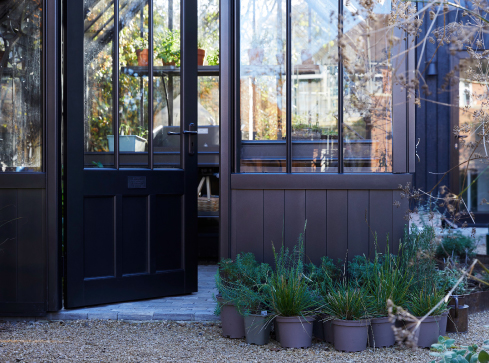
What to plant in May: In the greenhouse
Heat loving crops i.e. tomatoes, cucumbers, melons, aubergines, peppers and chillies will all be ready for potting on or transplanting to their final resting place, be that grow bags, pots or beds. Once these plants start to flower give them a weekly feed and provide them with appropriate support in the form of canes and or string. There is still time to sow cucumbers and courgettes so don’t panic and looking ahead to autumn harvests, you can sow pumpkins and squashes in May. Sow annual herbs, such as basil, dill & coriander, basil is best planted near tomatoes to help keep white fly away.
Sow salad seeds every 6 weeks for a successional crop along with radishes, both can remain in the greenhouse to grow on or you can transplant them when big enough to handle to beds or borders outside. Start sowings of chard, beetroot, spinach, courgettes, sweetcorn and climbing beans and transplant outside next month.
Ventilate greenhouses on warm days but remember to close windows and vents at night when temperatures can drop.
TIP: Water early in the morning and try to keep water away from foliage this helps reduce fungal issues and mildew. On very hot days, water paths and flooring to keep the temperature cooler.

What to plant in May: In the vegetable garden
Plant out salads sown last month and regularly harvest asparagus spears every few days. Check peach, nectarine, apricot and almond trees for peach leaf curl and remove damaged leaves. Net gooseberries and blueberries.
Top dress citrus trees and switch to sing summer feed. Earth up first early growing potatoes in case there is a late frost, to protect the tubers below. Tie in climbing beans and keep beds weed free as much as you can, pulling the weeds up as soon as you see them helps as they are easier to remove at a young stage.
Check autumn sown broad beans for ripening pods, these mature first at the base of the stems, pinch out the growing tips when they reach 3 foot tall. Keep parsnip beds weed free and remove any overcrowded seedlings, if you haven’t sown them yet it’s your last chance to do so. Sow peas, carrots, beetroot directly outside along with french and runner beans by the end of May. Harden off pumpkins, courgettes and squashes seedlings by the end of the month.
TIP:Broad bean tips are edible, steam or stir fry, they taste like a mile broad bean.
What to plant in May: In the main garden
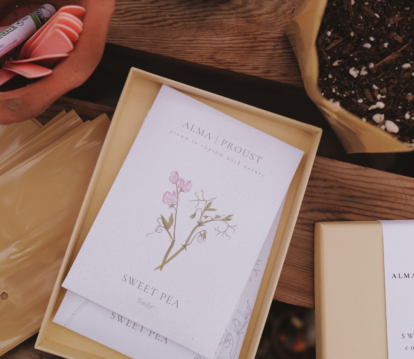
Stay on top of the weeding. Sweet peas should be planted out now with supports to climbing in place. Peonies will require stakes and ring support for heavy flower heads later. Check dahlias for new growth and protect as best you can from snails and slugs, try using wool pellets, ground coffee, egg shells or copper rings.
Plant out summer bedding, dead head spring bulbs and allow foliage to die back naturally. Mow lawns weekly and try to leave an area to grow wild for pollinators. Continue to sow hardy annuals such as nigella and cornflowers. If you have box plants growing in your garden check for box moth caterpillars and treat accordingly. You will never eradicate these pests but they can be controlled and managed.
TIP: Cut back herbaceous perennials in late May, coinciding with the Chelsea Flower Show this is known as the Chelsea Chop. It involves cutting back all or some of the stems to about one third to encourage bushier growth, more flowers and a better structure. Chives respond particularly well to this pruning method too.

With the days lengthening and the sun gaining strength, May is a vibrant time in the garden. Now’s the moment to dive into planting, whether you’re setting out young plants, sowing summer crops in the greenhouse, or giving your beds and borders a seasonal refresh. Knowing what to plant in May helps set the stage for a lush, productive garden through summer. A little care and attention now will pay off in blooms and harvests before you know it. Happy growing!
FAQs: May Growing Guide
May is when the growing season properly opens up. Soil has warmed, daylight hours are long, and plants are ready to move beyond early-stage growth into more vigorous development.
It’s also the point where hesitation can slow things down. Waiting too long to plant means missing valuable growing time, while planting too early risks cold damage. May sits right in that window where conditions are finally working in your favour, making it one of the most productive months in the garden.
In most parts of the UK, May is when tender crops can begin moving towards their final growing positions, but it’s not completely risk-free.
Night temperatures can still dip, especially earlier in the month, so it’s important to pay attention to local conditions rather than relying on the calendar alone. If in doubt, keep plants protected or delay slightly. A short wait is far better than exposing them to a late cold snap that can set them back.
The greenhouse becomes a hub of activity in May, particularly for heat-loving crops that benefit from stable conditions.
At this stage, you’ll typically be:
- potting on or planting tomatoes, cucumbers, peppers, and chillies
- sowing herbs like basil, dill, and coriander
- continuing successional sowing of salad crops
The aim is to keep plants moving forward without overcrowding, giving each crop enough space to develop properly.
As temperatures begin to rise, greenhouses can heat up quickly during the day, even if nights remain cool. Without proper ventilation, this creates a stressful environment for plants.
Opening vents allows excess heat and humidity to escape, reducing the risk of issues like mildew and poor growth. At the same time, it’s important to close things up in the evening to retain warmth. Managing that balance becomes part of the daily routine.
Watering becomes more important as temperatures rise, but how you water matters just as much as how often.
Early morning watering is generally most effective, giving plants access to moisture before the heat of the day. Keeping water at the base of the plant rather than on the leaves helps reduce the risk of fungal problems, particularly in a greenhouse where airflow can be limited.
May is one of the best months for direct sowing, as soil conditions are finally reliable enough for seeds to germinate and establish quickly.
Common choices include:
- carrots, beetroot, and peas
- runner and French beans
- sweetcorn and courgettes
Sowing at this point allows crops to grow steadily without the setbacks that colder earlier conditions can cause.
Weeds grow just as quickly as your crops in May, often faster. If left unchecked, they compete for water, nutrients, and light at a stage when your plants are trying to establish themselves.
Dealing with weeds early, while they’re still small, is far easier than trying to remove them later. It also helps prevent them from setting seed and becoming a recurring problem throughout the season.
The Chelsea Chop is a pruning technique carried out in late May, often timed around the Chelsea Flower Show. It involves cutting back certain herbaceous perennials to encourage stronger, bushier growth.
Rather than reducing flowering, it often improves it, producing more stems and better structure. It can also slightly delay flowering, which helps extend the overall display later into the season.