


April
Written by Pollyanna Wilkinson
April Greenhouse Growing Guide – Pollyanna Wilkinson
April can be an unpredictable month of glorious sunshine or torrential showers, but with longer days and warming soil, it’s a key time to get going in the garden. If you’re wondering what to plant in April, the good news is there’s plenty you can sow both under cover and outdoors to set yourself up for a productive growing season.
With the warmer weather of the last few weeks you can really feel things waking up now, and there’s plenty to do to set up for the growing season ahead.
In the greenhouse

If you’re starting seeds under cover, April offers ideal conditions for a wide variety of crops. Knowing what to plant in April in greenhouses will help you make the most of the warmer days and give your seedlings a strong head start:
Tomatoes, peppers and aubergines – Start seeds in trays or modules with bottom heat if you have it. Move into larger pots as they grow.
Cucumbers, courgettes and melons – Sow in individual pots and keep warm. These will be ready to harden off and plant out in late May or early June.
Tender annuals – Zinnias, nicotiana, cosmos and scabious are all great options to plant in April under glass, giving you strong, healthy plants ready to go out after the last frost.
Salad crops – Quick-growing lettuce, rocket and oriental greens like mizuna are ideal April planting choices, especially for greenhouse sowing. These can be picked young and harvested continually throughout spring.
Basil and other herbs – If you’re thinking about what herbs to plant in April, basil is a great choice. These need warmth to germinate and grow well, so a greenhouse gives them the head start they need.
Pot on seedlings
If you’ve been sowing seeds indoors or under cover, now’s the time to check for seedlings that have developed their first true leaves.
Gently prick them out, taking care to handle them only by their leaves to avoid damaging the delicate stems, and transfer each one into a 9cm pot filled with fresh compost.
Make sure to label everything clearly so you can keep track of your varieties, and water the pots thoroughly.
This gives your young plants the room and nutrients they need to continue growing strong and healthy, ahead of hardening off later on.
By the end of the month, in milder areas where frosts have eased, you can begin planting out dahlia tubers that you might have had potted up in your greenhouse from last month. Gladioli corms can go in too—try planting in small batches over a couple of weeks to stagger flowering.
In the garden
For gardeners planning what to plant in April outdoors, this month is perfect for early maintenance and preparing beds for summer growth.
Once tulips, daffodils and other spring bulbs finish flowering, snip off the faded blooms to stop them putting energy into seed production. Leave the foliage in place, as this feeds the bulb for next year.
If you want to reuse pots, lift the bulbs with their leaves still attached and move them to a quieter spot where they can die back naturally. Any bulbs that flowered indoors can be planted out into borders too.
Divide summer-flowering perennials
While not technically planting from seed, dividing hardy perennials like phlox and geraniums is a smart way to refresh your garden beds if you’re considering what to grow in April for a longer-term impact.
Good candidates include hardy geraniums, asters, ornamental grasses and phlox. Replant divided sections straight away and water well.
Keep an eye on slugs and snails

With tender new growth appearing, slugs and snails are quick to follow.
Try using copper rings, crushed eggshells, wool pellets or grit around vulnerable plants.
Nematodes can also be used if the soil is warm enough.
With warmth returning and the garden bursting into life, now’s the time to roll up your sleeves and get planting. Whether you’re sowing tender crops in the greenhouse or refreshing your borders outdoors, knowing what to plant in April can make all the difference. A little effort now will reward you with a flourishing garden in the months to come. Happy growing!
FAQs: April Growing Guide
April is when the growing season properly begins to gather momentum. Soil temperatures are rising, daylight hours are longer, and conditions are much more reliable than in early spring.
What makes it important isn’t just the volume of seeds you can sow, it’s the quality of growth you get. Seeds started in April tend to develop more quickly and evenly, reducing the need for artificial heat or intervention and giving you stronger plants heading into May.
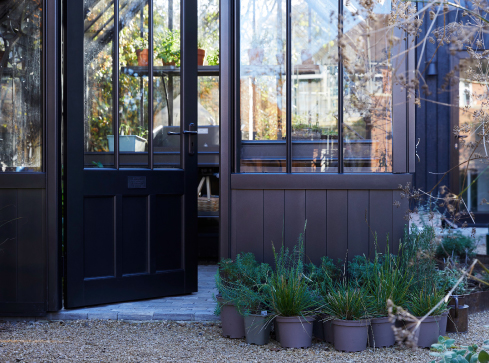
A greenhouse allows you to get ahead without exposing young plants to the unpredictability of outdoor conditions. April is one of the best months to make full use of that space.
Typical crops to focus on include:
- tomatoes, peppers, and aubergines for summer harvests
- cucumbers, courgettes, and melons that need warmth to establish
- fast-growing salad crops for early picking
- herbs like basil that benefit from protected conditions
The aim is to build strong plants now that will be ready to move on once temperatures stabilise further.
It depends less on the calendar and more on the conditions in your specific garden. April can be unpredictable, with warm days followed by sudden cold snaps.
Hardier crops can usually be sown or planted outdoors, but tender plants are still at risk. It’s often better to hold back slightly rather than rush planting and risk losing young plants to a late frost. Watching the weather and soil conditions is far more reliable than sticking to fixed dates.
As seedlings grow, they quickly outgrow the space they were started in. Potting on simply means moving them into larger containers so their roots have more room to develop.
This stage is critical. If roots become restricted, growth slows and plants can become stressed before they’ve even been planted out. Giving them fresh compost and space at the right time keeps development steady and sets them up for stronger performance later on.
The clearest sign is the appearance of true leaves, which follow the initial seed leaves. At this point, the plant is actively growing and needs more space to continue developing properly.
You may also notice roots beginning to fill the container or growth slowing despite good conditions. Acting at this stage prevents plants becoming root-bound and helps maintain healthy, consistent growth.
Once spring bulbs have finished flowering, it’s tempting to tidy them up straight away. However, the foliage is still doing an important job.
Leaves continue to photosynthesise, sending energy back into the bulb to support next year’s growth. Removing them too early weakens the plant and can lead to poorer flowering the following season. Letting them die back naturally ensures the bulb is properly replenished.
Dividing perennials is less about increasing plant numbers and more about maintaining plant health. Over time, clumps can become overcrowded, leading to weaker growth and fewer flowers.
By lifting and splitting them, you:
- refresh the plant and encourage new growth
- improve airflow and reduce disease risk
- create additional plants for other areas of the garden
April’s conditions make it easier for divided plants to re-establish quickly.