

October
Written by Milli Proust
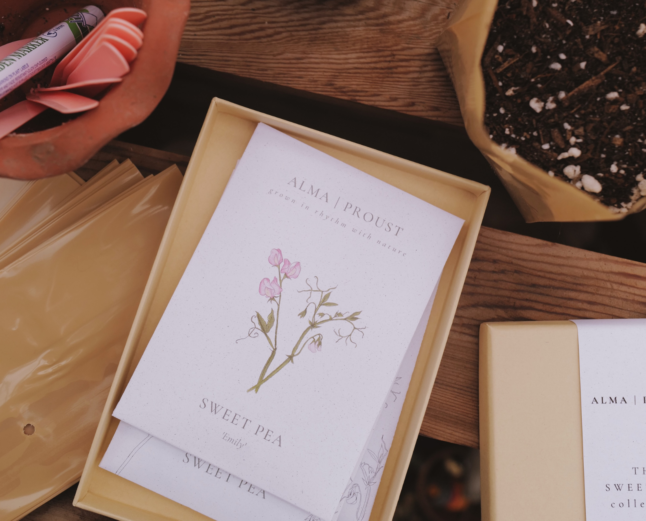
Welcome to the October instalment of our 2026 Alitex Growing Guides. This month, we’re joined by Milli Proust, gardener, florist and author, who co-founded Alma | Proust, a specialist seed company, alongside fellow grower Paris Alma.
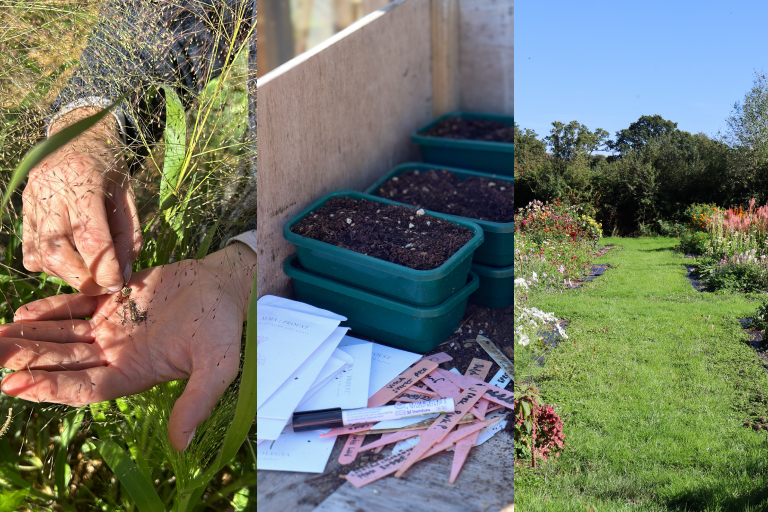
With autumn upon us, Milli shares her passion for growing from seed and explains why this season is an ideal time to sow hardy annuals. From choosing the right varieties for your garden to understanding the benefits of autumn sowing, she offers practical advice and inspiration to help you get started. Milli also explores how to nurture young seedlings through the colder winter months, ensuring they have the best possible start and are ready to flourish when spring arrives.
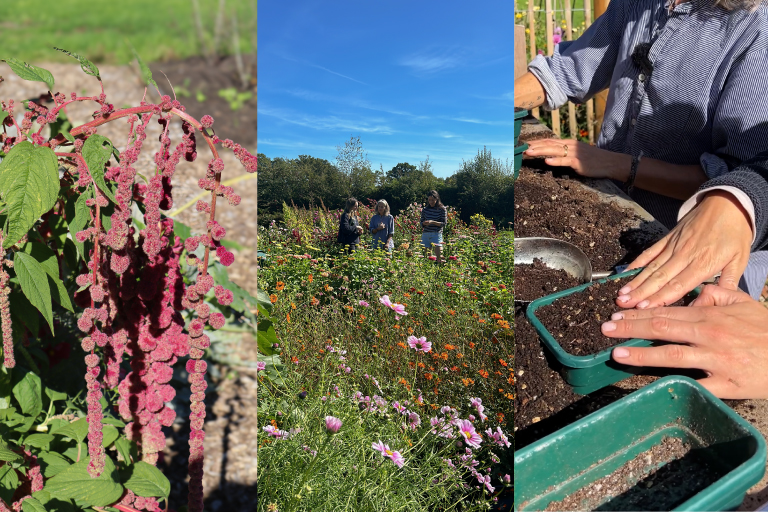
Drawing on her experience growing flowers and collecting seed, she offers practical advice on sowing, watering, growing on and saving your own seed, alongside a reminder to experiment, take your cue from nature and enjoy the unexpected surprises that growing from seed can bring.
Where to find out more
Instagram: @milliproust
Website: www.milliproust.com/
As October progresses, it’s a wonderful time to look ahead to next year’s garden, with autumn seed sowing offering the chance to get flowers off to an early start. Milli Proust of Alma | Proust shares practical advice on choosing seeds, sowing and caring for young seedlings, saving your own seed and embracing the unexpected joys of growing flowers from seed.
FAQs: July Growing
Keeping a greenhouse cool requires a combination of shading and ventilation rather than relying on one method alone. On hot, sunny days, lower adjustable shades early in the morning, or the evening before,to limit heat build-up before the greenhouse reaches an uncomfortable temperature. Roof vents, side vents and doors can then be opened to create a steady flow of air through the structure.
Automatic roof vents are particularly useful because they respond as temperatures rise, but they should be supported by manual ventilation during prolonged warm weather. Maintaining airflow does more than regulate temperature; it also reduces stagnant conditions that can encourage fungal disease and pests such as aphids.
Tomatoes should be watered according to the condition of the compost and the needs of the plant rather than following a rigid timetable. Fruiting plants become increasingly thirsty during July, particularly in warm weather, but constantly saturated compost can be just as damaging as allowing the root ball to dry out completely.
Check the compost with your finger before watering and adjust the frequency during hotter or cooler periods. Morning watering gives plants access to moisture before temperatures peak and allows excess surface moisture to evaporate during the day. Water thoroughly at the base of each plant while avoiding unnecessary splashing across the foliage.
Tomato skins commonly split when plants receive a sudden influx of water after the compost has become too dry. The fruit swells more quickly than its skin can accommodate, causing it to crack. Keeping the compost evenly moist throughout July reduces these sharp changes and supports more consistent fruit development.
Check containers regularly because pots and grow bags can dry quickly during hot weather. Watering thoroughly when needed is more effective than repeatedly applying small amounts that only dampen the surface. Shading and good ventilation can also reduce temperature extremes and slow the rate at which compost loses moisture.
Side shoots should be removed from cordon or indeterminate tomatoes because these varieties are trained as a single main stem. Pinching out the shoots that develop between the stem and leaf joints directs more of the plant’s energy towards producing and ripening fruit. Bush or determinate tomatoes grow differently and generally should not have their side shoots removed.
Removing a limited number of lower leaves can improve airflow around the base of the plant and prevent foliage from resting against damp compost. Avoid stripping away excessive healthy foliage, however, as the leaves are still needed for photosynthesis and fruit development.
Marigolds, basil and chives can all be grown alongside greenhouse tomatoes. Their flowers and scent contribute to a more diverse growing environment, while flowering companions can attract pollinators and other beneficial insects. Marigolds are also commonly used around tomatoes as part of an integrated approach to discouraging pests.
Companion planting should support good greenhouse management rather than replace it. Plants still need sufficient spacing, ventilation and regular inspection for aphids and other pests. Avoid overcrowding the base of tomato plants, as restricted airflow and competition for water can outweigh the benefits companion plants provide.
Damping down involves wetting the greenhouse floor during hot, dry conditions. As the water evaporates, it absorbs heat and temporarily increases humidity, helping to create a more comfortable environment for plants. The less dry atmosphere may also make conditions less favourable for red spider mites, which thrive in hot, dry greenhouses.
Use damping down during the warmest part of a dry day while the greenhouse is well ventilated. It should not replace watering the plants themselves, and it is best avoided late in the evening when lingering humidity could encourage fungal problems overnight.
Peppers and chillies benefit from the warmth of a greenhouse, but they still need consistent moisture, adequate ventilation and suitable feeding once flowering and fruiting are underway. Check container-grown plants frequently because warm July conditions can dry their compost quickly, although they should never be left permanently waterlogged.
Support heavily laden stems before they bend or break, and harvest ripe chillies regularly to encourage continued production. Check the expected ripe colour of each variety, as chillies may mature to yellow, orange, red, purple or other colours rather than always turning red.